
Recording a podcast that sounds professional and keeps listeners hooked is no accident. It takes planning, the right tools, and smart techniques. I’ve learned that great audio quality is the foundation of every successful podcast. When your sound is crisp and clear, your message shines through. Today, I’m sharing proven podcast recording quality tips that will help you create episodes that stand out.
Let’s dive in and make your podcast sound its absolute best.
Choose the Right Space for Recording
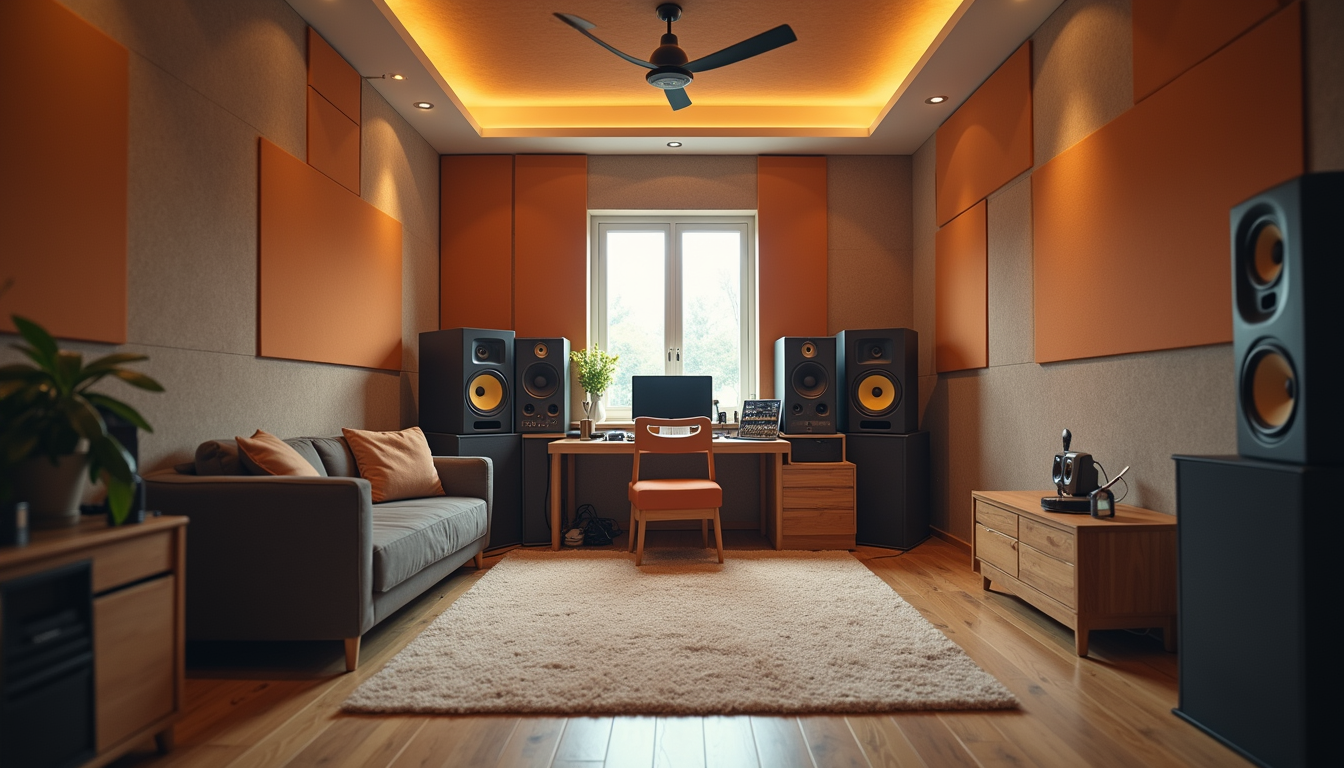
The first step to better podcast audio is picking the right spot. Your recording environment matters more than you might think. A quiet, controlled space can make a huge difference.
Look for a room with:
- Soft surfaces like carpets, curtains, and couches to absorb sound.
- Minimal background noise such as traffic, appliances, or air conditioning.
- Limited echo or reverb, which can make your voice sound hollow.
If you don’t have a dedicated studio, try recording in a small closet or a room with lots of soft furnishings. You can also add foam panels or blankets on walls to reduce echo.
Tip: Close windows and doors to block outside noise. Turn off noisy electronics nearby.
Invest in Quality Microphones and Equipment
Your microphone is your most important tool. A good mic captures your voice clearly and reduces unwanted noise. You don’t need to spend a fortune, but avoid cheap, built-in laptop mics.
Here’s what to consider:
- Dynamic microphones are great for noisy environments because they pick up less background sound.
- Condenser microphones offer richer sound but work best in quiet rooms.
- Use a pop filter to reduce harsh “p” and “b” sounds.
- Get a mic stand or boom arm to keep the mic steady and at the right distance.
- Use headphones to monitor your audio live and catch issues early.
Also, consider an audio interface if you’re using an XLR mic. It connects your mic to your computer and improves sound quality.
Master Your Recording Setup and Software
Once your space and gear are ready, it’s time to set up your recording software. Choose a program that’s easy to use but powerful enough for editing.
Popular options include:
- Audacity (free and beginner-friendly)
- Adobe Audition (professional-grade)
- GarageBand (Mac users)
Before recording, test your levels. Speak into the mic at your normal volume and adjust the input gain so your audio peaks around -6 dB. Avoid clipping or distortion.
Pro tip: Record a short test clip and listen back with headphones. Check for background noise, volume consistency, and clarity.
Speak Clearly and Use Good Mic Technique
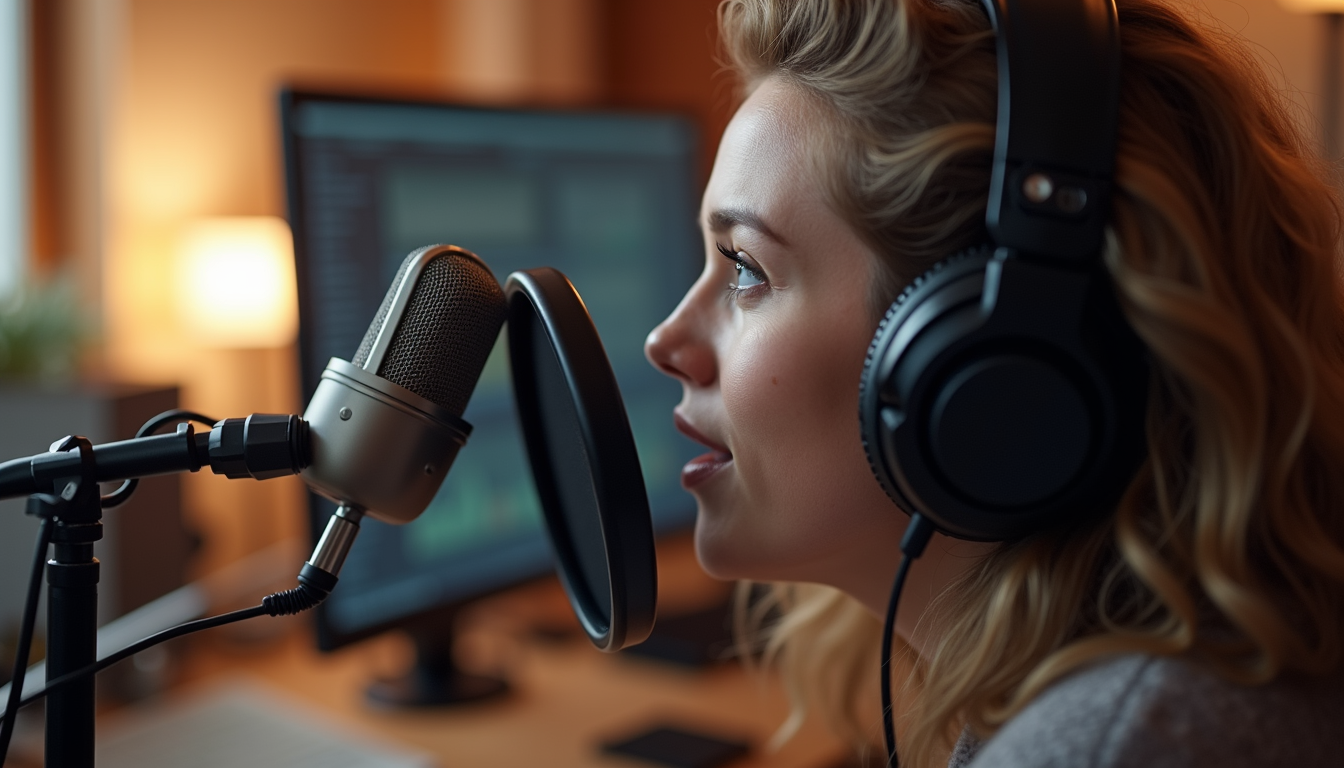
Your voice is your podcast’s star. How you speak affects the listener’s experience. Here’s how to sound your best:
- Speak directly into the mic at about 6-8 inches away.
- Keep a consistent distance to avoid volume changes.
- Use a natural, conversational tone. Imagine talking to a friend.
- Avoid speaking too fast or mumbling.
- Take pauses to breathe and emphasize points.
- Smile while you talk - it changes your tone and makes you sound friendlier.
If you’re recording with guests, remind them of these tips too. Consistent audio levels and clear speech make editing easier.
Edit Smartly for a Polished Final Product
Editing is where your podcast really comes together. Clean up your audio to remove distractions and improve flow.
Focus on:
- Cutting out long pauses, “ums,” and mistakes.
- Reducing background noise with noise reduction tools.
- Balancing volume levels between speakers.
- Adding intro/outro music or sound effects tastefully.
- Exporting your file in a high-quality format like MP3 at 128 kbps or higher.
Don’t over-edit. Keep your podcast natural and engaging. Listeners appreciate authenticity.
Keep Improving with Feedback and Practice
Podcasting is a skill you build over time. Listen to your episodes critically and ask for feedback from trusted listeners.
Try:
- Recording short practice sessions regularly.
- Experimenting with different mic placements.
- Testing new software features.
- Learning from other podcasters you admire.
Remember, every episode is a chance to get better. Stay curious and keep refining your craft.
If you want to dive deeper into podcast recording tips, check out resources that focus on practical advice and gear recommendations. The right knowledge and tools will help you create content that truly connects.
Your Podcast Deserves the Best Sound
Great podcast audio doesn’t happen by chance. It’s the result of smart choices and consistent effort. By choosing the right space, investing in quality gear, mastering your setup, speaking clearly, and editing carefully, you’ll produce episodes that sound professional and inviting.
Remember, your podcast is your brand’s voice. Make it strong. Make it clear. Make it unforgettable.
Start applying these proven podcast recording quality tips today. Your listeners will thank you.
Explore AGUYB Studios
Discover corporate video production, the Jacksonville podcast studio, studio sets, or become a partner to build a tailored production system.